Biography
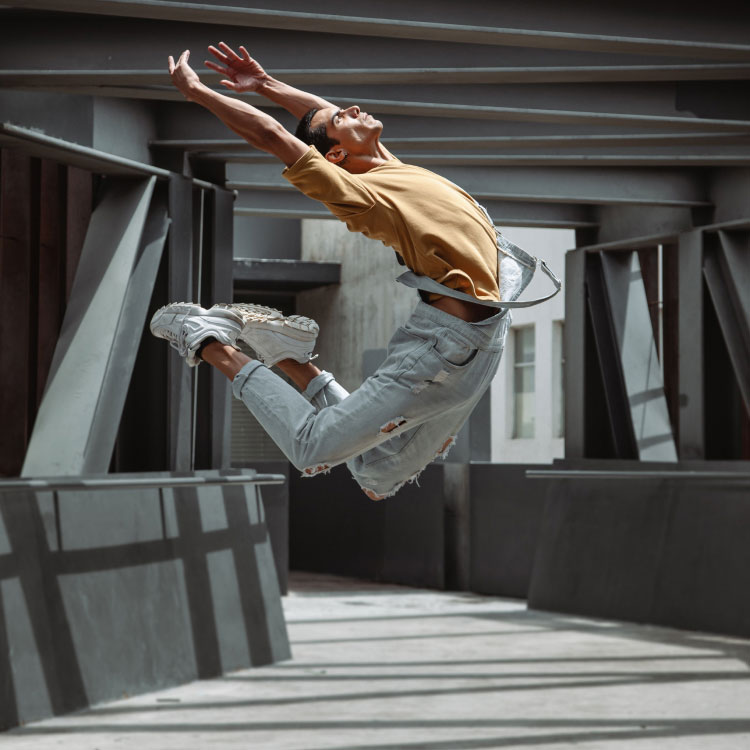
Music is a bridge to reality. Melody, harmony, and rhythm point toward a lighter way of being. Whether I sing while driving, kayaking, walking, or playing the piano, I feel a sense of lightness. It brings a smile to my face; it makes me truly happy.
Biography
Music is a bridge to reality. Melody, harmony, and rhythm point toward a lighter way of being. Whether I sing while driving, kayaking, walking, or playing the piano, I feel a sense of lightness. It brings a smile to my face; it makes me truly happy.
Biography
Music is a bridge to reality. Melody, harmony, and rhythm point toward a lighter way of being. Whether I sing while driving, kayaking, walking, or playing the piano, I feel a sense of lightness. It brings a smile to my face; it makes me truly happy.

Musical DNA
My music is a tapestry woven from decades of exploration across genres and soul-stirring landscapes. From the structured elegance of classical piano to the raw, rhythmic pulse of the blues and the improvisational freedom of jazz, every note I play carries the weight of a lived experience. What began at age eight has evolved into a singular mission: to create a bridge between the listener and a higher reality. Today, as a solo artist, I draw upon this diverse heritage—the grit of the blues, the spirit of worship, and the sophistication of the Great American Songbook—to invite you into a space that is both exotic and deeply familiar.
Foundations and Mastery
Collaborations & Collective Spirit
Sacred & Community Service
The Present Moment
Musical DNA
My music is a tapestry woven from decades of exploration across genres and soul-stirring landscapes. From the structured elegance of classical piano to the raw, rhythmic pulse of the blues and the improvisational freedom of jazz, every note I play carries the weight of a lived experience. What began at age eight has evolved into a singular mission: to create a bridge between the listener and a higher reality. Today, as a solo artist, I draw upon this diverse heritage—the grit of the blues, the spirit of worship, and the sophistication of the Great American Songbook—to invite you into a space that is both exotic and deeply familiar.
Foundations and Mastery
Collaborations & Collective Spirit
Sacred & Community Service
The Present Moment
Musical DNA
My music is a tapestry woven from decades of exploration across genres and soul-stirring landscapes. From the structured elegance of classical piano to the raw, rhythmic pulse of the blues and the improvisational freedom of jazz, every note I play carries the weight of a lived experience. What began at age eight has evolved into a singular mission: to create a bridge between the listener and a higher reality. Today, as a solo artist, I draw upon this diverse heritage—the grit of the blues, the spirit of worship, and the sophistication of the Great American Songbook—to invite you into a space that is both exotic and deeply familiar.
Foundations and Mastery
Collaborations & Collective Spirit
Sacred & Community Service
The Present Moment
Unfiltered Essence
During my childhood, I experienced music as rich and communicative—an essence I could both embody and lose myself in. I let the music come through unfiltered and uncategorized. Music was simply music. I could enjoy it fully, it didn’t need to define me. As a six-year-old, I would stand on the kitchen bar counter, mimicking a guitar with a big wooden spoon—singing and dancing to John Denver’s “Annie’s Song”.
One of my dearest musical memories is of my family and a large group of fellow campers gathered around a row of shared camping tables. We would sit together, singing songs from my dad’s music folders as he played the guitar, while my sister and I led the sing along. In the evening, amidst the warm summer air and good company, the music created a magical sense of community, warmth, and belonging.
At age eight during play dates with a friend, I would situate myself for hours at their piano, working through their method books. I was intrigued. My friend’s parents told my parents I should take piano lessons. Soon after, my dad bought me my first piano. I began my formal studies, learning to read music and diving into the foundations of classical, blues, pop and jazz.
A childhood friend, having heard me playing the blues on the piano, handed me my first blues harp. “I just bought this,” he said, “but I think you will know what to do with it better than I do.”

Unfiltered Essence
During my childhood, I experienced music as rich and communicative—an essence I could both embody and lose myself in. I let the music come through unfiltered and uncategorized. Music was simply music. I could enjoy it fully, it didn’t need to define me. As a six-year-old, I would stand on the kitchen bar counter, mimicking a guitar with a big wooden spoon—singing and dancing to John Denver’s “Annie’s Song”.
One of my dearest musical memories is of my family and a large group of fellow campers gathered around a row of shared camping tables. We would sit together, singing songs from my dad’s music folders as he played the guitar, while my sister and I led the sing along. In the evening, amidst the warm summer air and good company, the music created a magical sense of community, warmth, and belonging.
At age eight during play dates with a friend, I would situate myself for hours at their piano, working through their method books. I was intrigued. My friend’s parents told my parents I should take piano lessons. Soon after, my dad bought me my first piano. I began my formal studies, learning to read music and diving into the foundations of classical, blues, pop and jazz.
A childhood friend, having heard me playing the blues on the piano, handed me my first blues harp. “I just bought this,” he said, “but I think you will know what to do with it better than I do.”
Unfiltered Essence
During my childhood, I experienced music as rich and communicative—an essence I could both embody and lose myself in. I let the music come through unfiltered and uncategorized. Music was simply music. I could enjoy it fully, it didn’t need to define me. As a six-year-old, I would stand on the kitchen bar counter, mimicking a guitar with a big wooden spoon—singing and dancing to John Denver’s “Annie’s Song”.
One of my dearest musical memories is of my family and a large group of fellow campers gathered around a row of shared camping tables. We would sit together, singing songs from my dad’s music folders as he played the guitar, while my sister and I led the sing along. In the evening, amidst the warm summer air and good company, the music created a magical sense of community, warmth, and belonging.
At age eight during play dates with a friend, I would situate myself for hours at their piano, working through their method books. I was intrigued. My friend’s parents told my parents I should take piano lessons. Soon after, my dad bought me my first piano. I began my formal studies, learning to read music and diving into the foundations of classical, blues, pop and jazz.
A childhood friend, having heard me playing the blues on the piano, handed me my first blues harp. “I just bought this,” he said, “but I think you will know what to do with it better than I do.”

Blues Fever
The first blues concert I attended was at our regional concert hall. A large banner hang across the stage with the words: Magic Frankie, It’s Magic. I had walked in without any prior knowledge of the program; I honestly didn’t know whether to expect a blues band or a magic show. We smoked a joint, the rhythm section started playing and I found myself wondering which one was Frankie. I stood there mesmerized by the piano player, “that must be Frankie,” I thought. “He is really good!” Then the guitar player stepped out. He was wielding a hollow-body Gibson, singing and playing the harmonica with an intensity that blew the top of my head off. After the concert I tried to explain the sensation to my girlfriend, but I was just blabbering. I had no words to describe it; it was a deeply felt, yet entirely abstract experience.
During our city’s yearly jazz festival, I ran into my Uncle Dave and Aunt Paula in a large historic stone cafe. An entire blues band was mid-set, playing authentic traditionals from Robert Johnson to Muddy Waters. To my surprise, one of my high school teachers was on stage playing the harmonica. They sounded incredible, and the room was packed with blues fans. When the band took a break my uncle turned to me and asked: “Did you bring your harmonica?” I told him I did—I carried that thing everywhere. Without another word he pushed me toward center stage, right to the vocal mic. There I stood, bathed in the blue, red, and yellow stage lights. I began with a melody I’d composed on my harmonica, playing solo into the quiet room. After the first verse the band filtered back onto the stage falling in behind me with a gritty groove. I launched into Sonny Williamson’s “Checkin’ Up On My Babe”. In that moment, I felt like a rising star in the firmament. I had the blues.
I participated in a couple of collaborative initiatives where a mentor brought musicians together to rehearse and perform on professional rock stages. For the first two rounds I played keyboards, playing pop and soul with my sister and another vocalist. By the third project, however, I told the project leader that I wanted to lead a blues set as a singer and harmonica player. That initiative led to the formation of my first real blues band, Just Walkin’. For the next two years we rehearsed and performed across the bars and night clubs of the southern Netherlands.
Blues Fever
The first blues concert I attended was at our regional concert hall. A large banner hang across the stage with the words: Magic Frankie, It’s Magic. I had walked in without any prior knowledge of the program; I honestly didn’t know whether to expect a blues band or a magic show. We smoked a joint, the rhythm section started playing and I found myself wondering which one was Frankie. I stood there mesmerized by the piano player, “that must be Frankie,” I thought. “He is really good!” Then the guitar player stepped out. He was wielding a hollow-body Gibson, singing and playing the harmonica with an intensity that blew the top of my head off. After the concert I tried to explain the sensation to my girlfriend, but I was just blabbering. I had no words to describe it; it was a deeply felt, yet entirely abstract experience.
During our city’s yearly jazz festival, I ran into my Uncle Dave and Aunt Paula in a large historic stone cafe. An entire blues band was mid-set, playing authentic traditionals from Robert Johnson to Muddy Waters. To my surprise, one of my high school teachers was on stage playing the harmonica. They sounded incredible, and the room was packed with blues fans. When the band took a break my uncle turned to me and asked: “Did you bring your harmonica?” I told him I did—I carried that thing everywhere. Without another word he pushed me toward center stage, right to the vocal mic. There I stood, bathed in the blue, red, and yellow stage lights. I began with a melody I’d composed on my harmonica, playing solo into the quiet room. After the first verse the band filtered back onto the stage falling in behind me with a gritty groove. I launched into Sonny Williamson’s “Checkin’ Up On My Babe”. In that moment, I felt like a rising star in the firmament. I had the blues.
I participated in a couple of collaborative initiatives where a mentor brought musicians together to rehearse and perform on professional rock stages. For the first two rounds I played keyboards, playing pop and soul with my sister and another vocalist. By the third project, however, I told the project leader that I wanted to lead a blues set as a singer and harmonica player. That initiative led to the formation of my first real blues band, Just Walkin’. For the next two years we rehearsed and performed across the bars and night clubs of the southern Netherlands.
Blues Fever
The first blues concert I attended was at our regional concert hall. A large banner hang across the stage with the words: Magic Frankie, It’s Magic. I had walked in without any prior knowledge of the program; I honestly didn’t know whether to expect a blues band or a magic show. We smoked a joint, the rhythm section started playing and I found myself wondering which one was Frankie. I stood there mesmerized by the piano player, “that must be Frankie,” I thought. “He is really good!” Then the guitar player stepped out. He was wielding a hollow-body Gibson, singing and playing the harmonica with an intensity that blew the top of my head off. After the concert I tried to explain the sensation to my girlfriend, but I was just blabbering. I had no words to describe it; it was a deeply felt, yet entirely abstract experience.
During our city’s yearly jazz festival, I ran into my Uncle Dave and Aunt Paula in a large historic stone cafe. An entire blues band was mid-set, playing authentic traditionals from Robert Johnson to Muddy Waters. To my surprise, one of my high school teachers was on stage playing the harmonica. They sounded incredible, and the room was packed with blues fans. When the band took a break my uncle turned to me and asked: “Did you bring your harmonica?” I told him I did—I carried that thing everywhere. Without another word he pushed me toward center stage, right to the vocal mic. There I stood, bathed in the blue, red, and yellow stage lights. I began with a melody I’d composed on my harmonica, playing solo into the quiet room. After the first verse the band filtered back onto the stage falling in behind me with a gritty groove. I launched into Sonny Williamson’s “Checkin’ Up On My Babe”. In that moment, I felt like a rising star in the firmament. I had the blues.
I participated in a couple of collaborative initiatives where a mentor brought musicians together to rehearse and perform on professional rock stages. For the first two rounds I played keyboards, playing pop and soul with my sister and another vocalist. By the third project, however, I told the project leader that I wanted to lead a blues set as a singer and harmonica player. That initiative led to the formation of my first real blues band, Just Walkin’. For the next two years we rehearsed and performed across the bars and night clubs of the southern Netherlands.
The Duo Years: Big Bo & Mr. Bas
During a jam session I met Boudewijn Brocken, better known as Big Bo—a masterful acoustic and electric blues guitarist. He invited me to guest with him during his solo act. We hit it off immediately and formed the official blues duo, “Big Bo and Mr. Bas.” After recording our first demo and playing together for only a few months, we won the national blues competition, qualifying us for a major blues festival. Big Bo was a force, he sang while handling acoustic, steel, and electric guitars alongside the bass drum. I sang, played harmonica, and a unique array of percussion: snare drum, washboard, and even wooden shoes and coconut shells. Our stage was transformed into a miniature living room, complete with carpet, chairs, standing lamps, and a spinning metal ashtray. Our duo became immensely popular in the Dutch and Belgian blues circuits, leading to numerous festivals and two tours through Scandinavia. During this time we recorded, mixed, mastered, and produced our CD, “Come Natural.”

The Duo Years: Big Bo & Mr. Bas
During a jam session I met Boudewijn Brocken, better known as Big Bo—a masterful acoustic and electric blues guitarist. He invited me to guest with him during his solo act. We hit it off immediately and formed the official blues duo, “Big Bo and Mr. Bas.” After recording our first demo and playing together for only a few months, we won the national blues competition, qualifying us for a major blues festival. Big Bo was a force, he sang while handling acoustic, steel, and electric guitars alongside the bass drum. I sang, played harmonica, and a unique array of percussion: snare drum, washboard, and even wooden shoes and coconut shells. Our stage was transformed into a miniature living room, complete with carpet, chairs, standing lamps, and a spinning metal ashtray. Our duo became immensely popular in the Dutch and Belgian blues circuits, leading to numerous festivals and two tours through Scandinavia. During this time we recorded, mixed, mastered, and produced our CD, “Come Natural.”
The Duo Years: Big Bo & Mr. Bas
During a jam session I met Boudewijn Brocken, better known as Big Bo—a masterful acoustic and electric blues guitarist. He invited me to guest with him during his solo act. We hit it off immediately and formed the official blues duo, “Big Bo and Mr. Bas.” After recording our first demo and playing together for only a few months, we won the national blues competition, qualifying us for a major blues festival. Big Bo was a force, he sang while handling acoustic, steel, and electric guitars alongside the bass drum. I sang, played harmonica, and a unique array of percussion: snare drum, washboard, and even wooden shoes and coconut shells. Our stage was transformed into a miniature living room, complete with carpet, chairs, standing lamps, and a spinning metal ashtray. Our duo became immensely popular in the Dutch and Belgian blues circuits, leading to numerous festivals and two tours through Scandinavia. During this time we recorded, mixed, mastered, and produced our CD, “Come Natural.”

A Universal Language
I studied social sciences and cultural anthropology at the University of Utrecht for three years. During this time I opened up to different cultures and their music. I lived in multicultural neighborhoods, bonded with adventurous, creative, exploring, and open-minded people. During the second year I did a field study of traditional Irish music and traveled to Galway (West Ireland). For two months I interviewed and recorded talks with music promoters, producers, and musicians. I practiced bodhrán (Irish hand drum) in my room and by the seaside, participated in local jam sessions, and traveled a little north and south of Galway for music events.
I came to deeply appreciate the complex melodies, intricate ornamentations, and the wide variety of international instruments Irish music incorporates (including harmonica). I learned a little about the Gaelic and English oral tradition and the disciplined as well as spontaneous musicianship of traditional Irish musicians.
I returned to my home town, drawn by the nostalgia for the years I spent there as a teenager. Its familiar streets and intimate scale reminded me of Galway in western Ireland—a place where history and community feel deeply intertwined. Living in a student room near the local train tracks, I watched a steady stream of people from all corners of the world pass beneath my window. This daily procession piqued the curiosity I had cultivated during my studies in Utrecht.
I soon discovered they were residents of a nearby refugee center, and I felt a quiet, persistent call to bridge the distance between my window and their world. One day, I simply walked in. I approached the security desk and told them I was looking for musicians. They pointed me toward the heart of the center and it was there that I met a man from Iraq and several other musicians from Kroatia, Bosnia, Iran, Somalia, and Zaire.
My connection with the musician from Iraq grew into a long-lasting friendship and a powerful creative partnership. Together, and with the vital support of one key organizer of the local music community, we organized the “Music Is The Language Everyone Speaks” benefit concert at the city’s cultural center.
The impact of that night was twofold. First the proceeds allowed us to purchase the instruments and equipment needed to establish a permanent music room within the refugee center. Second, the success of the event led to me being asked to organize a full-scale music festival at the refugee center itself, a year later. Both events featured local bands alongside ensembles formed at the center, drawing a vibrant, multicultural audience from across the region.
A Universal Language
I studied social sciences and cultural anthropology at the University of Utrecht for three years. During this time I opened up to different cultures and their music. I lived in multicultural neighborhoods, bonded with adventurous, creative, exploring, and open-minded people. During the second year I did a field study of traditional Irish music and traveled to Galway (West Ireland). For two months I interviewed and recorded talks with music promoters, producers, and musicians. I practiced bodhrán (Irish hand drum) in my room and by the seaside, participated in local jam sessions, and traveled a little north and south of Galway for music events.
I came to deeply appreciate the complex melodies, intricate ornamentations, and the wide variety of international instruments Irish music incorporates (including harmonica). I learned a little about the Gaelic and English oral tradition and the disciplined as well as spontaneous musicianship of traditional Irish musicians.
I returned to my home town, drawn by the nostalgia for the years I spent there as a teenager. Its familiar streets and intimate scale reminded me of Galway in western Ireland—a place where history and community feel deeply intertwined. Living in a student room near the local train tracks, I watched a steady stream of people from all corners of the world pass beneath my window. This daily procession piqued the curiosity I had cultivated during my studies in Utrecht.
I soon discovered they were residents of a nearby refugee center, and I felt a quiet, persistent call to bridge the distance between my window and their world. One day, I simply walked in. I approached the security desk and told them I was looking for musicians. They pointed me toward the heart of the center and it was there that I met a man from Iraq and several other musicians from Kroatia, Bosnia, Iran, Somalia, and Zaire.
My connection with the musician from Iraq grew into a long-lasting friendship and a powerful creative partnership. Together, and with the vital support of one key organizer of the local music community, we organized the “Music Is The Language Everyone Speaks” benefit concert at the city’s cultural center.
The impact of that night was twofold. First the proceeds allowed us to purchase the instruments and equipment needed to establish a permanent music room within the refugee center. Second, the success of the event led to me being asked to organize a full-scale music festival at the refugee center itself, a year later. Both events featured local bands alongside ensembles formed at the center, drawing a vibrant, multicultural audience from across the region.
A Universal Language
I studied social sciences and cultural anthropology at the University of Utrecht for three years. During this time I opened up to different cultures and their music. I lived in multicultural neighborhoods, bonded with adventurous, creative, exploring, and open-minded people. During the second year I did a field study of traditional Irish music and traveled to Galway (West Ireland). For two months I interviewed and recorded talks with music promoters, producers, and musicians. I practiced bodhrán (Irish hand drum) in my room and by the seaside, participated in local jam sessions, and traveled a little north and south of Galway for music events.
I came to deeply appreciate the complex melodies, intricate ornamentations, and the wide variety of international instruments Irish music incorporates (including harmonica). I learned a little about the Gaelic and English oral tradition and the disciplined as well as spontaneous musicianship of traditional Irish musicians.
I returned to my home town, drawn by the nostalgia for the years I spent there as a teenager. Its familiar streets and intimate scale reminded me of Galway in western Ireland—a place where history and community feel deeply intertwined. Living in a student room near the local train tracks, I watched a steady stream of people from all corners of the world pass beneath my window. This daily procession piqued the curiosity I had cultivated during my studies in Utrecht.
I soon discovered they were residents of a nearby refugee center, and I felt a quiet, persistent call to bridge the distance between my window and their world. One day, I simply walked in. I approached the security desk and told them I was looking for musicians. They pointed me toward the heart of the center and it was there that I met a man from Iraq and several other musicians from Kroatia, Bosnia, Iran, Somalia, and Zaire.
My connection with the musician from Iraq grew into a long-lasting friendship and a powerful creative partnership. Together, and with the vital support of one key organizer of the local music community, we organized the “Music Is The Language Everyone Speaks” benefit concert at the city’s cultural center.
The impact of that night was twofold. First the proceeds allowed us to purchase the instruments and equipment needed to establish a permanent music room within the refugee center. Second, the success of the event led to me being asked to organize a full-scale music festival at the refugee center itself, a year later. Both events featured local bands alongside ensembles formed at the center, drawing a vibrant, multicultural audience from across the region.
A Shift In Resonance
As I transitioned from my work at the refugee center, my focus began to shift inward. I found myself in the midst of a spiritual awakening—periods of heightened awareness and deep reflection. During nature walks and spontaneous meditations I experienced an extra-sensitive connection with my surroundings. I could sit for hours by a great oak tree near the city walls, and sing until I found a peaceful resonance within myself. Several times, I felt this inner vibration answered by the world around me; the tones I hummed or sang seemed to resound a thousand times over, as if the landscape itself were joining in my song.
Even as I was still immersed in the high-energy world of the blues, a parallel journey was unfolding within me. After a performance one evening, I struck up a conversation with a woman who revealed she was an alternative therapist. This meeting led to a series of six transformative sessions focused on aligning my chakras—the energetic centers of the body—and deep inner child work. After returning home from those sessions, I had two profound out-of-body experiences.
Soon after, I encountered teachers from Endeavor Academy in Wisconsin. Their guidance helped me place these profound, abstract experiences into a transformational framework. Through the study of ‘A Course In Miracles’, I began to experience a consistent sense of light, peace, and freedom of mind. Realizing I had reached a crossroads, I made the pivotal decision to close the chapter with my blues partner and dedicate myself fully to the practice and message of the Course.
As my inner world expanded, my musical taste began to shift toward artists who captured a sense of the infinite. I found myself drawn ot the transcendent qualities in the music of Herbie Hancock, Chick Corea, and Keith Jarrett. But it was Pat Metheny whose work resonated most deeply during this period.

A Shift In Resonance
As I transitioned from my work at the refugee center, my focus began to shift inward. I found myself in the midst of a spiritual awakening—periods of heightened awareness and deep reflection. During nature walks and spontaneous meditations I experienced an extra-sensitive connection with my surroundings. I could sit for hours by a great oak tree near the city walls, and sing until I found a peaceful resonance within myself. Several times, I felt this inner vibration answered by the world around me; the tones I hummed or sang seemed to resound a thousand times over, as if the landscape itself were joining in my song.
Even as I was still immersed in the high-energy world of the blues, a parallel journey was unfolding within me. After a performance one evening, I struck up a conversation with a woman who revealed she was an alternative therapist. This meeting led to a series of six transformative sessions focused on aligning my chakras—the energetic centers of the body—and deep inner child work. After returning home from those sessions, I had two profound out-of-body experiences.
Soon after, I encountered teachers from Endeavor Academy in Wisconsin. Their guidance helped me place these profound, abstract experiences into a transformational framework. Through the study of ‘A Course In Miracles’, I began to experience a consistent sense of light, peace, and freedom of mind. Realizing I had reached a crossroads, I made the pivotal decision to close the chapter with my blues partner and dedicate myself fully to the practice and message of the Course.
As my inner world expanded, my musical taste began to shift toward artists who captured a sense of the infinite. I found myself drawn ot the transcendent qualities in the music of Herbie Hancock, Chick Corea, and Keith Jarrett. But it was Pat Metheny whose work resonated most deeply during this period.
A Shift In Resonance
As I transitioned from my work at the refugee center, my focus began to shift inward. I found myself in the midst of a spiritual awakening—periods of heightened awareness and deep reflection. During nature walks and spontaneous meditations I experienced an extra-sensitive connection with my surroundings. I could sit for hours by a great oak tree near the city walls, and sing until I found a peaceful resonance within myself. Several times, I felt this inner vibration answered by the world around me; the tones I hummed or sang seemed to resound a thousand times over, as if the landscape itself were joining in my song.
Even as I was still immersed in the high-energy world of the blues, a parallel journey was unfolding within me. After a performance one evening, I struck up a conversation with a woman who revealed she was an alternative therapist. This meeting led to a series of six transformative sessions focused on aligning my chakras—the energetic centers of the body—and deep inner child work. After returning home from those sessions, I had two profound out-of-body experiences.
Soon after, I encountered teachers from Endeavor Academy in Wisconsin. Their guidance helped me place these profound, abstract experiences into a transformational framework. Through the study of ‘A Course In Miracles’, I began to experience a consistent sense of light, peace, and freedom of mind. Realizing I had reached a crossroads, I made the pivotal decision to close the chapter with my blues partner and dedicate myself fully to the practice and message of the Course.
As my inner world expanded, my musical taste began to shift toward artists who captured a sense of the infinite. I found myself drawn ot the transcendent qualities in the music of Herbie Hancock, Chick Corea, and Keith Jarrett. But it was Pat Metheny whose work resonated most deeply during this period.

The Academy & The Music of the Spheres
During my time at the Academy, I found myself at the center of a whirlwind of musical styles and spontaneous formations, performing everything from Blues and Gospel to Pop, Rock, and World music. I took the stage with the Avatars of Love Rock jam band as a singer and pianist, but I also returned to the Traditional Irish music I had studied a decade prior with the group The Jig is Up. In that ensemble, I wore many hats—singer, harmonica player, pianist, and percussionist—recording music that blended Irish tradition with our own eclectic originals and the atmospheric sounds of Ennio Morricone and Pat Metheny.
While we dedicated ourselves to the study of A Course in Miracles, the Master Teacher would frequently have us listen to the Jazz of the 1920s, 30s, 40s, and 50s. Listening to those early jazz pioneers while exploring the depths of the Course reinforced a singular idea: whether through a syncopated trumpet line or a spiritual text, the goal was the same—to find a sense of light, peace, and freedom. This exposure to the “Golden Age” of Jazz refined my ear even further, bridging the gap between the raw blues of my past and the transcendent stillness I was beginning to embrace.
“One night, performing with the Portal Head band at a local venue, I experienced something inexplicable. In the middle of a set, I began to hear a layer of beautiful, ethereal keyboard music. I looked around, puzzled, but I surely wasn’t playing it, and I knew enough guitar to observe that neither the rhythm, solo, or bass guitar was responsible. It was a profound moment of realization; I could hear and feel these harmonies streaming in from outside of what we were playing—as if the ‘music of the spheres’ had decided to join our set.
The Academy & The Music of the Spheres
During my time at the Academy, I found myself at the center of a whirlwind of musical styles and spontaneous formations, performing everything from Blues and Gospel to Pop, Rock, and World music. I took the stage with the Avatars of Love Rock jam band as a singer and pianist, but I also returned to the Traditional Irish music I had studied a decade prior with the group The Jig is Up. In that ensemble, I wore many hats—singer, harmonica player, pianist, and percussionist—recording music that blended Irish tradition with our own eclectic originals and the atmospheric sounds of Ennio Morricone and Pat Metheny.
While we dedicated ourselves to the study of A Course in Miracles, the Master Teacher would frequently have us listen to the Jazz of the 1920s, 30s, 40s, and 50s. Listening to those early jazz pioneers while exploring the depths of the Course reinforced a singular idea: whether through a syncopated trumpet line or a spiritual text, the goal was the same—to find a sense of light, peace, and freedom. This exposure to the “Golden Age” of Jazz refined my ear even further, bridging the gap between the raw blues of my past and the transcendent stillness I was beginning to embrace.
“One night, performing with the Portal Head band at a local venue, I experienced something inexplicable. In the middle of a set, I began to hear a layer of beautiful, ethereal keyboard music. I looked around, puzzled, but I surely wasn’t playing it, and I knew enough guitar to observe that neither the rhythm, solo, or bass guitar was responsible. It was a profound moment of realization; I could hear and feel these harmonies streaming in from outside of what we were playing—as if the ‘music of the spheres’ had decided to join our set.
The Academy & The Music of the Spheres
During my time at the Academy, I found myself at the center of a whirlwind of musical styles and spontaneous formations, performing everything from Blues and Gospel to Pop, Rock, and World music. I took the stage with the Avatars of Love Rock jam band as a singer and pianist, but I also returned to the Traditional Irish music I had studied a decade prior with the group The Jig is Up. In that ensemble, I wore many hats—singer, harmonica player, pianist, and percussionist—recording music that blended Irish tradition with our own eclectic originals and the atmospheric sounds of Ennio Morricone and Pat Metheny.
While we dedicated ourselves to the study of A Course in Miracles, the Master Teacher would frequently have us listen to the Jazz of the 1920s, 30s, 40s, and 50s. Listening to those early jazz pioneers while exploring the depths of the Course reinforced a singular idea: whether through a syncopated trumpet line or a spiritual text, the goal was the same—to find a sense of light, peace, and freedom. This exposure to the “Golden Age” of Jazz refined my ear even further, bridging the gap between the raw blues of my past and the transcendent stillness I was beginning to embrace.
“One night, performing with the Portal Head band at a local venue, I experienced something inexplicable. In the middle of a set, I began to hear a layer of beautiful, ethereal keyboard music. I looked around, puzzled, but I surely wasn’t playing it, and I knew enough guitar to observe that neither the rhythm, solo, or bass guitar was responsible. It was a profound moment of realization; I could hear and feel these harmonies streaming in from outside of what we were playing—as if the ‘music of the spheres’ had decided to join our set.
Partners in Growth & Healing
Following the passing of the founder and principal teacher of our spiritual community, my life took a more grounded, service-oriented turn. I launched a website design business and spent time behind the wheel as a school bus driver and courier. This period of transition also led me to deep personal growth work with the ManKind Project and the Wisconsin Truth Project, where I eventually facilitated work for incarcerated men as an outside volunteer.
Today, I am happily settled in Baraboo, Wisconsin, with my brilliant wife, Cecile. For 15 years, we have been partners in growth and healing, sharing a home with our dog, Soul, and our four cats: Fifi, Teaspoon, Amazon, and Netflix.
The Evolution of Jazz: “New Standards”
Over the last six years, I have returned to my first love—the piano—with a renewed focus on jazz. After working through Mark Levine’s Jazz Piano Book and studying under Chris Rottmayer and the Open Studio community, I found myself captivated by a specific question: Why should the “Great American Songbook” stop at the 1950s?
Inspired by Herbie Hancock’s The New Standard, I have dedicated my current practice to bridging the gap between classic jazz and the pop masterpieces of the last sixty years. I believe that beautiful, contemporary melodies are just as worthy of a jazz arrangement as the classics of the twenties and thirties. Today, my repertoire is a constantly expanding blend of original compositions, jazz standards, and fresh arrangements of “New Standards”—interweaving the timeless depth of jazz with the iconic sounds of the 20th and 21st centuries.

Partners in Growth & Healing
Following the passing of the founder and principal teacher of our spiritual community, my life took a more grounded, service-oriented turn. I launched a website design business and spent time behind the wheel as a school bus driver and courier. This period of transition also led me to deep personal growth work with the ManKind Project and the Wisconsin Truth Project, where I eventually facilitated work for incarcerated men as an outside volunteer.
Today, I am happily settled in Baraboo, Wisconsin, with my brilliant wife, Cecile. For 15 years, we have been partners in growth and healing, sharing a home with our dog, Soul, and our four cats: Fifi, Teaspoon, Amazon, and Netflix.
The Evolution of Jazz: “New Standards”
Over the last six years, I have returned to my first love—the piano—with a renewed focus on jazz. After working through Mark Levine’s Jazz Piano Book and studying under Chris Rottmayer and the Open Studio community, I found myself captivated by a specific question: Why should the “Great American Songbook” stop at the 1950s?
Inspired by Herbie Hancock’s The New Standard, I have dedicated my current practice to bridging the gap between classic jazz and the pop masterpieces of the last sixty years. I believe that beautiful, contemporary melodies are just as worthy of a jazz arrangement as the classics of the twenties and thirties. Today, my repertoire is a constantly expanding blend of original compositions, jazz standards, and fresh arrangements of “New Standards”—interweaving the timeless depth of jazz with the iconic sounds of the 20th and 21st centuries.
Partners in Growth & Healing
Following the passing of the founder and principal teacher of our spiritual community, my life took a more grounded, service-oriented turn. I launched a website design business and spent time behind the wheel as a school bus driver and courier. This period of transition also led me to deep personal growth work with the ManKind Project and the Wisconsin Truth Project, where I eventually facilitated work for incarcerated men as an outside volunteer.
Today, I am happily settled in Baraboo, Wisconsin, with my brilliant wife, Cecile. For 15 years, we have been partners in growth and healing, sharing a home with our dog, Soul, and our four cats: Fifi, Teaspoon, Amazon, and Netflix.
The Evolution of Jazz: “New Standards”
Over the last six years, I have returned to my first love—the piano—with a renewed focus on jazz. After working through Mark Levine’s Jazz Piano Book and studying under Chris Rottmayer and the Open Studio community, I found myself captivated by a specific question: Why should the “Great American Songbook” stop at the 1950s?
Inspired by Herbie Hancock’s The New Standard, I have dedicated my current practice to bridging the gap between classic jazz and the pop masterpieces of the last sixty years. I believe that beautiful, contemporary melodies are just as worthy of a jazz arrangement as the classics of the twenties and thirties. Today, my repertoire is a constantly expanding blend of original compositions, jazz standards, and fresh arrangements of “New Standards”—interweaving the timeless depth of jazz with the iconic sounds of the 20th and 21st centuries.

Musical Influences
Blues, Roots & Folk
BB King, Big Bill Broonzy, Big Walter Horton, The Bothy Band, The Chieftains, Eric Bibb, Eric Clapton, John Cephas and Phil Wiggins, John Denver, Keb Mo, Little Walter, Magic Frankie, Muddy Waters, Lightning Hopkins, Sonny Boy Williamson, Sonny Terry and Brownie McGhee, Stevie Ray Vaughan.
Jazz & The New Standard
Abbey Lincoln, Brad Mehldau, Chick Corea, Ella Fitzgerald, Esperanza Spalding, Herbie Hancock, Hiromi, Jacob Collier, Joey Alexander, Jon Batiste, Keith Jarrett, Kurt Elling, Oscar Peterson, Robert Glasper, Pat Metheny.
World, Reggae & Global Pop
Alpha Blondy, Bob Marley, Cheikh Lô, Dire Straits, Ravi Shankar, Sting, UB40, Van Morrison.
Musical Influences
Blues, Roots & Folk
BB King, Big Bill Broonzy, Big Walter Horton, The Bothy Band, The Chieftains, Eric Bibb, Eric Clapton, John Cephas and Phil Wiggins, John Denver, Keb Mo, Little Walter, Magic Frankie, Muddy Waters, Lightning Hopkins, Sonny Boy Williamson, Sonny Terry and Brownie McGhee, Stevie Ray Vaughan.
Jazz & The New Standard
Abbey Lincoln, Brad Mehldau, Chick Corea, Ella Fitzgerald, Esperanza Spalding, Herbie Hancock, Hiromi, Jacob Collier, Joey Alexander, Jon Batiste, Keith Jarrett, Kurt Elling, Oscar Peterson, Robert Glasper, Pat Metheny.
World, Reggae & Global Pop
Alpha Blondy, Bob Marley, Cheikh Lô, Dire Straits, Ravi Shankar, Sting, UB40, Van Morrison.
Musical Influences
Blues, Roots & Folk
BB King, Big Bill Broonzy, Big Walter Horton, The Bothy Band, The Chieftains, Eric Bibb, Eric Clapton, John Cephas and Phil Wiggins, John Denver, Keb Mo, Little Walter, Magic Frankie, Muddy Waters, Lightning Hopkins, Sonny Boy Williamson, Sonny Terry and Brownie McGhee, Stevie Ray Vaughan.
Jazz & The New Standard
Abbey Lincoln, Brad Mehldau, Chick Corea, Ella Fitzgerald, Esperanza Spalding, Herbie Hancock, Hiromi, Jacob Collier, Joey Alexander, Jon Batiste, Keith Jarrett, Kurt Elling, Oscar Peterson, Robert Glasper, Pat Metheny.
World, Reggae & Global Pop
Alpha Blondy, Bob Marley, Cheikh Lô, Dire Straits, Ravi Shankar, Sting, UB40, Van Morrison.